
Best Time to Visit Gorillas in Uganda
Best time to visit gorillas Uganda; Best time to visit gorillas is good all year round, though the country experiences two seasonal climate changes with dry and wet season. The busiest season is during dry season from month of June to September and December to February. Uganda is categorized with tropical and warm climates due to its moderate’s rainfall with insignificant season variations dry and rain seasons.
Uganda’s tropical climate is described with an average temperature ranging between 25 degrees Celsius to 29 degrees Celsius, dropping with a minimum of 12 degrees Celsius and 54 F at night. The country receives annual rainfall ranging between 1000 to 2000 millimeters high.
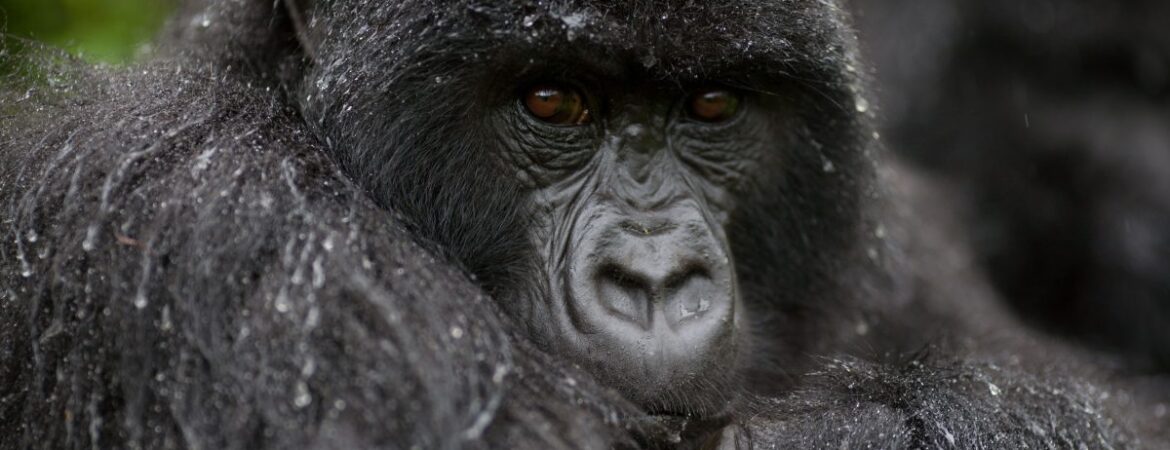
Gorilla trekking in Uganda can be done in two protected parks, that is Bwindi Impenetrable National Park and Mgahinga National Park is home to half of the remaining endangered mountain gorillas in the world. Bwindi National Park hosts over 650 individuals of the total of around 1100 mountain gorillas.
More fact, gorilla trekking in Africa can be done in three countries: Uganda, Rwanda and Democratic Republic of Congo. In Rwanda – gorilla trekking can be done in Volcanoes National Park and Virunga National Park in Congo.
Best Time to Visit Mountain gorillas in Uganda;
Dry season ‘’Peak Season’’
The best time to visit mountain gorillas in Uganda is during the dry seasons, which happen from June to August and December to February. There are less muddy trekking and clearer skies, during these months -though the permits and accommodation are pricier and book up fast.
Rainy season ‘’Low season’’
Alternatively, tourists can visit the mountain gorillas in rainy seasons; happens from March to May, October to November. Wet season offers lush scenery, fewer tourists, discounts to visitors and a more intimate experience. But expect muddy and slippery trails.
Interestingly, gorillas trekking is possible year round, as gorilla movements aren’t strictly seasonal.
Gorilla permits in Uganda; Uganda gorilla permits costs USD800. During the peak season gorilla permit can be on high sale with over 80 permits available .So ,we advise you to book for your gorilla permits in advance before your travel dates.
Weather: Uganda’s equatorial climate means showers can occur anytime, even in dry months.
How much does gorilla permit costs?
Travellers are advised to book gorilla permits from reliable companies, tour operator or even directly from ‘’UWA’’Uganda wildlife Authority offices through emailing or calling them on the online. You can reach out to Achieve Global Safaris to help you reserve gorilla permits and accommodation.
What to carry on your gorilla tour?
Useful essentials to carry on gorilla tours include a waterproof daypack, long-sleeved trousers and shirts, rubber boot hiker, worm clothes, garden gloves, energy, insect repellent, a waterproof backpack, and a camera, among others.

Accommodation.
Bwindi National Park offers comfortable and perfect accommodations ranging between Luxury, Midrange and Budget.
Budget Accommodation; Bwindi Community Rest Camp, Bwindi Guest House, Bwindi Neck view Lodge.
Midrange Accommodation: Rushaga Gorilla Lodge, Buhoma Haven, Four Gorilla Safaris, Gandi Lodge, Ichumbi Gorilla Lodge, Bakiga Lodge, Bwindi Jungle Lodge.
Luxury Accommodation; Buhoma Lodge, Gorilla Heights Lodge, Mahogany Springs Lodge, Clouds Mountain Gorilla Lodge, Nkuringo Bwindi Gorilla Lodge among others.
Getting there.
Bwindi National Park can get to Bwindi Impenetrable National Park in southwest Uganda by either by road of by air.
By Road
From Kampala/Entebbe covers long drives of about 8-to-9-hour drive. Optionally, can start your journey from Kigali ‘’Rwanda’’ covering 4 to 5hours drive via border crossing to enter Uganda. You’re required to use 4×4 wheel safari vehicle.
By Air
You can choose to travel by air which offers quicker access to Bwindi, connecting via Entebbe Airport with operators like Aero link Uganda. The airstrip that serves the Park is Kihihi Airstrip in Buhoma or Kisoro Airstrip serves the southern Rushaga and Nkuringo sectors.

