
Rhino trekking at Ziwa Rhino Sanctuary is one of the most exciting wildlife experiences in Uganda and a highlight of many Big Five Uganda tours. The activity gives visitors an extraordinary opportunity to encounter endangered southern white rhinos on foot while exploring their natural habitat under the guidance of experienced wildlife rangers.

Rhinos are among Africa’s famous Big Five animals, alongside elephants, lions, leopards and buffaloes. These iconic animals are major attractions in Uganda’s wildlife destinations and national parks in Uganda.
Located in Nakasongola District along the Kampala–Gulu Highway, Ziwa Rhino Sanctuary, officially known as Ziwa Rhino and Wildlife Ranch, is Uganda’s principal destination for rhino trekking. It is an important breeding and conservation centre for southern white rhinos and offers visitors an opportunity to observe these magnificent animals in a protected natural environment.
Although rhinos have begun being reintroduced into other protected areas in Uganda, Ziwa remains the country’s main destination for guided rhino tracking experiences.
History of Rhino Conservation at Ziwa Rhino Sanctuary
The history of rhino conservation in Uganda is a remarkable story of wildlife recovery. Rhinos were once widespread in different parts of the country, including Murchison Falls National Park and Kidepo Valley National Park. However, extensive poaching, particularly during periods of political instability, resulted in the disappearance of wild rhinos from Uganda by the early 1980s.
The Rhino Reintroduction Project was established through the efforts of Rhino Fund Uganda and the Roy family, with support and involvement from the Uganda Wildlife Authority (UWA). Its primary objective was to restore rhino populations in Uganda through breeding, protection and eventual reintroduction into their historical habitats.
The breeding programme at Ziwa began with six southern white rhinos introduced between 2005 and 2006. These animals formed the foundation of Uganda’s rhino breeding programme.
Through successful breeding, dedicated ranger protection, habitat management and conservation partnerships, the rhino population has increased considerably.
Uganda’s southern white rhino population reached approximately 61 individuals according to the 2026 State of Wildlife Resources reporting, with animals distributed across Ziwa Rhino Sanctuary and other conservation facilities and protected areas. Additional southern white rhinos were received from South Africa in December 2025 to strengthen the country’s breeding programme and improve genetic diversity.
In 2026, rhinos were also relocated to Ajai Wildlife Reserve and Kidepo Valley National Park as part of Uganda’s wider rhino restoration programme.
These developments demonstrate the significant progress made in restoring rhinos to Uganda’s wildlife heritage.
Rhino Trekking Experience at Ziwa Rhino Sanctuary
 Rhino trekking is one of the most memorable wildlife activities available to visitors travelling through Uganda. Unlike traditional game drives, where tourists observe animals from a safari vehicle, rhino trekking involves walking through the bush in the company of an experienced ranger to locate and observe the rhinos.
The rhinos roam freely within the protected ranch, which covers approximately 27 square miles. Because the animals move around the sanctuary, their locations change regularly. Visitors may therefore need to drive to the area where the rhinos have been sighted before continuing the experience on foot.
The walking experience allows tourists to observe the rhinos grazing, resting, interacting with their young and moving through their natural surroundings.
An experienced ranger accompanies visitors throughout the activity, providing information about rhino behaviour, conservation and the importance of protecting these endangered animals.
Depending on the location of the rhinos, the trekking experience normally takes approximately 1½ to 2½ hours. Visitors should wear comfortable closed shoes, long trousers and carry drinking water, insect repellent and a camera.
Other Activities at Ziwa Rhino Sanctuary
Apart from rhino trekking, Ziwa Rhino and Wildlife Ranch offers several other exciting activities that allow visitors to explore its diverse wildlife and natural environment.
1. Shoebill Trekking and Canoe Rides

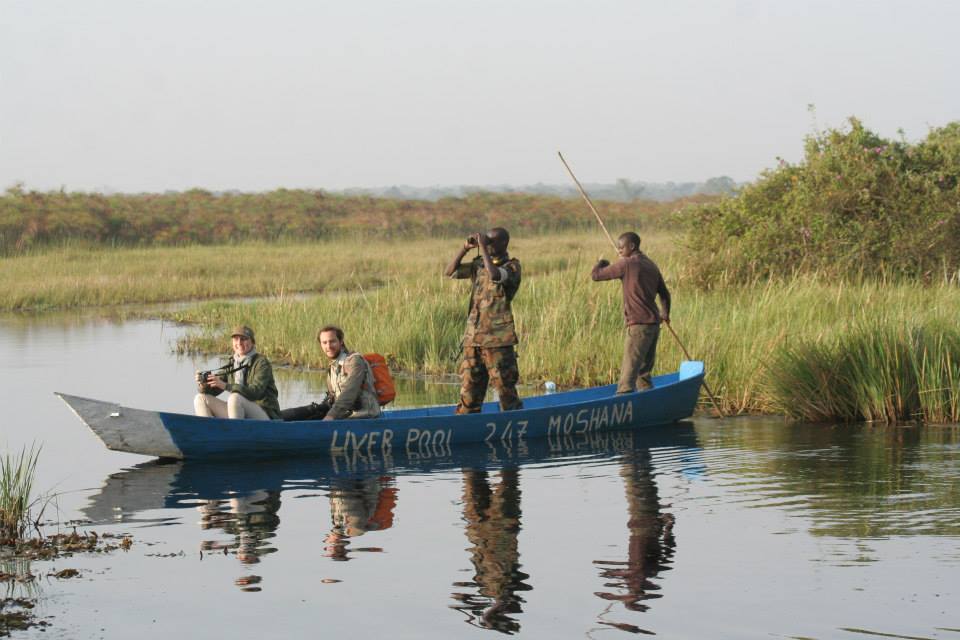
The shoebill trek is an exciting early-morning excursion to Lugogo Swamp, where visitors can explore the wetland by canoe in search of the rare shoebill stork.
The shoebill is one of Uganda’s most sought-after bird species, particularly among birdwatchers and wildlife photographers. The early-morning experience offers opportunities to observe this remarkable bird in its natural wetland habitat.
2. Birdwatching
Ziwa is an excellent destination for birdwatching, with more than 300 recorded bird species. Its mixture of wetlands, woodland and savannah habitats supports a wide variety of birds.
Birdwatching tours are conducted along designated trails with experienced guides who help visitors identify different bird species.
3. Nature Walks
Guided nature walks provide opportunities to explore the ranch on foot while looking out for other wildlife species.
Visitors may encounter Uganda kobs, waterbucks, bushbucks, oribis and other animals.
4. Night Nature Walks
Night nature walks offer visitors an opportunity to discover the nocturnal wildlife of the ranch. Accompanied by a guide, visitors can explore the environment after dark and learn about animals that are rarely seen during daytime excursions.
5. Wildlife Viewing
Besides rhinos, the ranch has welcomed other wildlife species, including Rothschild’s giraffes, Jackson’s hartebeests and plains zebras. These additions make the sanctuary an increasingly diverse wildlife destination.
Species of Rhinos Found at Ziwa Rhino Sanctuary
The rhinos found at Ziwa are southern white rhinos (Ceratotherium simum simum), one of the two recognised subspecies of white rhinoceros.
The other subspecies is the northern white rhino (Ceratotherium simum cottoni), which is considered functionally extinct, with only two known surviving individuals, both females, living under protection in Kenya.
Despite their name, white rhinos are not actually white. Their skin is generally greyish, and their name is believed to have originated from a misinterpretation of the Afrikaans word wyd, meaning wide, referring to their broad mouths.
White rhinos are among the largest land mammals in the world, second only to elephants in size. They are herbivores and primarily graze on grass, using their broad, square-shaped mouths to feed.
Some interesting characteristics of white rhinos include:
- Social behaviour: Female white rhinos and their young are often found in small groups, while adult males generally establish and defend territories.
- Mud bathing: During hot weather, rhinos frequently roll in mud to cool their bodies and protect their skin from insects and the sun.
- Grazing habits: White rhinos are grazers and spend much of their time feeding on grass.
- Daily activity: They are often more active during cooler periods, particularly early mornings and late afternoons, although their activity patterns can vary.
- Poor eyesight: Rhinos have relatively poor eyesight but possess well-developed hearing and a strong sense of smell.
During the hottest parts of the day, rhinos may seek shade or rest, making them more challenging to locate. This is one reason early-morning and late-afternoon wildlife activities can be particularly rewarding.
Other Rhino Species in the World
Apart from the southern and northern white rhinos, there are three other surviving rhino species in the world.
These include:
- Black rhinoceros: Found in parts of eastern and southern Africa, the black rhino is a browser that feeds mainly on shrubs and trees.
- Greater one-horned rhinoceros: Also known as the Indian rhino, this species is found mainly in India and Nepal.
- Sumatran rhinoceros: One of the world’s smallest and rarest rhino species, found in Indonesia.
- Javan rhinoceros: An extremely rare species with its remaining wild population found in Indonesia.
Together with the two white rhino subspecies, these represent the five surviving rhino species.
Conservation Importance of Rhino Trekking in Uganda
Rhino trekking is not simply a wildlife viewing activity; it also plays an important role in supporting wildlife conservation in Uganda.
The fees collected from visitors contribute to the continued operation of the ranch and the protection of its wildlife. Tourism also creates employment opportunities for local people, including guides, rangers, hospitality workers and other service providers.
The conservation benefits of rhino trekking include:
Supporting Rhino Protection
Tourism revenue contributes to the ongoing protection and management of rhinos, helping to maintain the security measures needed to protect them against poaching.
Promoting Wildlife Awareness
Visitors learn about the threats facing rhinos and the importance of conserving endangered wildlife species.
Supporting Local Communities
Tourism creates business opportunities for communities around the sanctuary through employment, accommodation, food services, transport and the sale of local products.
Supporting Breeding and Reintroduction Programmes
Rhino conservation requires long-term investment in breeding, habitat management, veterinary care, monitoring and security. Sustainable tourism contributes to these conservation efforts.
Protecting Biodiversity
Rhinos are important grazers that influence vegetation structure through their feeding habits. Their presence contributes to the ecological balance of the habitats they occupy.
Threats Facing Rhinos in Uganda and Other Parts of Africa
One of the greatest threats facing rhinos is illegal poaching. Rhinos are targeted for their horns, which are illegally traded and used in traditional medicine, ornamental carvings and other products.
Despite international restrictions on the trade in rhino horns, illegal demand continues to threaten rhino populations in different parts of the world.
Habitat loss, human activities and the fragmentation of wildlife habitats also create challenges for rhino conservation.
Several conservation organisations, governments and wildlife authorities have established programmes to protect rhinos through anti-poaching operations, habitat restoration, breeding initiatives, wildlife monitoring and translocation programmes.
Uganda’s rhino restoration programme at Ziwa is an important example of how sustained conservation efforts can help rebuild wildlife populations that were once lost from the country.
Guidelines and Rules for Rhino Trekking at Ziwa Rhino Sanctuary
 Rhino trekking is an exciting activity, but visitors must follow established safety guidelines to protect themselves and the animals.
Before beginning the activity, visitors receive a safety briefing from an experienced ranger. The guide explains the appropriate behaviour around rhinos and the precautions to follow during the trek.
Important guidelines include:
- Littering, feeding and touching wildlife are prohibited.
- Visitors must not approach rhinos without the guidance of an authorised ranger.
- Driving around the ranch or undertaking bush walks without permission and a guide is prohibited.
- Jogging and cycling are not permitted during wildlife activities.
- Drones and firearms are subject to sanctuary restrictions and must be declared to the responsible authorities where applicable.
- Visitors must maintain a safe distance from rhinos and follow the ranger’s instructions at all times.
- Sudden movements, loud noises and actions that may disturb the animals should be avoided.
- Visitors should remain together as instructed by their guide.
- Pets are not allowed at Ziwa Rhino and Wildlife Ranch.
Visitors who violate sanctuary regulations may face penalties or other enforcement measures. Visitors should confirm applicable penalties directly with sanctuary management.
Following these guidelines helps ensure a safe and enjoyable rhino trekking experience while minimising disturbance to the animals.
Rhino Trekking Prices at Ziwa Rhino Sanctuary
The cost of rhino trekking at Ziwa Rhino Sanctuary depends on the visitor’s residency category. According to the sanctuary’s published rates, the entrance fee includes the rhino trekking experience, whether visitors track the rhinos on foot from the ranch or drive to their location before continuing on foot.
The published rates are as follows:
| Visitor category | Adult | Child (up to 12 years) |
|---|---|---|
| Foreign non-residents | USD 60 | USD 30 |
| Foreign residents in East Africa | USD 50 | USD 25 |
| East African residents | UGX 50,000 | UGX 15,000 |
Foreign residents in East Africa are required to present valid work permits at the entrance.
Important Visitor Information
- Rhino trekking is available from 7:00 am to 5:00 pm.
- The activity takes approximately 1½–2½ hours.
- Visitors driving to locate the rhinos generally use their own vehicles. A sanctuary vehicle and driver may be arranged separately, subject to availability and additional charges.
- Ziwa is a cashless facility. Payments are accepted through Visa, Mastercard, debit cards or bank transfer.
- Visitors should confirm applicable rates and booking arrangements before travelling, as prices may change.
For updated rates and reservations, visit the official Ziwa Rhino and Wildlife Ranch booking page.
Best Time to Visit Ziwa Rhino Sanctuary for Rhino Trekking
Rhino trekking is available throughout the year, making Ziwa an excellent destination for visitors planning a Uganda wildlife safari.
However, the dry seasons are generally favourable for wildlife viewing because some trails are easier to navigate and vegetation may be less dense.
Uganda’s relatively drier periods are generally June to September and December to February. Nevertheless, rhinos can be tracked throughout the year, depending on their location and prevailing weather conditions.
Early mornings and late afternoons are particularly rewarding because rhinos are often more active during cooler hours.
Visitors should also consider combining their rhino trekking experience with birdwatching or a shoebill excursion to make the most of their visit.
How to Get to Ziwa Rhino Sanctuary
Ziwa Rhino Sanctuary is located in Nakasongola District, approximately 176 kilometres north of Kampala along the Kampala–Gulu Highway.
The sanctuary is conveniently positioned along the main route to Murchison Falls National Park, making it an ideal stopover for tourists travelling to Uganda’s largest national park.
Visitors can travel to Ziwa by private safari vehicle, organised tour or hired car.
Many travellers include rhino trekking as part of their Murchison Falls National Park safari because of the convenient location of the sanctuary along the northern Uganda safari route.
A visit to Ziwa can also be combined with other wildlife destinations, including Murchison Falls National Park and other attractions in northern Uganda.
Combine Rhino Trekking with Uganda Wildlife Safaris
Rhino trekking at Ziwa is an excellent addition to a wider Uganda safari. Visitors can combine the experience with game drives, boat cruises, chimpanzee tracking and mountain gorilla trekking.
Some popular safari combinations include:
- Ziwa Rhino Sanctuary and Murchison Falls National Park: Enjoy rhino trekking before proceeding to Murchison Falls for game drives and a boat cruise along the River Nile.
- Ziwa and Uganda Big Five Safari: Combine rhino tracking with wildlife viewing in Uganda’s major savannah parks.
- Ziwa, Murchison Falls and Kibale Forest: Experience rhinos, savannah wildlife and chimpanzee trekking in one safari.
- Ziwa and Gorilla Trekking: Combine rhino trekking with an unforgettable mountain gorilla encounter in Bwindi Impenetrable National Park or Mgahinga Gorilla National Park.
Explore our Big Five Uganda tours and Uganda safari packages to discover more ways to experience the country’s exceptional wildlife.
Book Your Rhino Trekking Experience in Uganda
Rhino trekking at Ziwa Rhino Sanctuary is one of the most rewarding wildlife experiences in Uganda. It gives visitors an opportunity to encounter endangered southern white rhinos on foot while learning about the country’s remarkable wildlife conservation achievements.
Whether you are planning a short excursion from Kampala or a longer Uganda wildlife safari, Ziwa offers an unforgettable opportunity to see rhinos in a protected natural environment.
At Safaris Uganda, we can help you incorporate rhino trekking into your Uganda safari itinerary, including visits to Murchison Falls National Park, Kibale Forest, Bwindi Impenetrable National Park and other exciting destinations.
Contact Safaris Uganda today to plan your Uganda wildlife safari and experience the incredible rhinos of Ziwa.

